Indiana's Production Industry Enters a New Era
How Indiana's evolving film incentives, growing demand for video marketing, and AI-powered production technologies are creating new opportunities for Indianapolis and the broader Midwest creative economy.
Disclosure. This story mentions Zaahi Studios, which owns this publication.
November 18, 2026
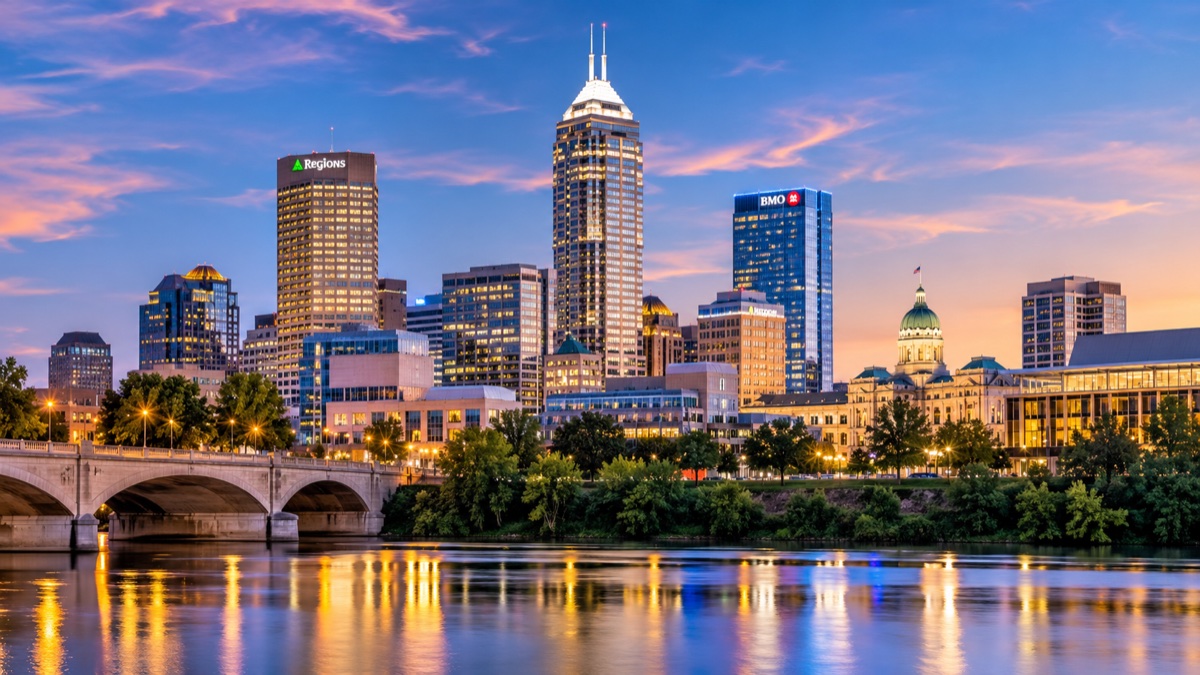
INDIANAPOLIS, IN — Indiana's media and production industry is entering an important period of change. With updated state film and media production incentives now in effect and businesses continuing to increase their investment in video marketing, Indianapolis is positioned to play an increasingly important role in the Midwest's evolving production landscape.
The shift is happening on two fronts: the state's efforts to attract more professional film and media production, and the growing demand from businesses for consistent, professionally produced digital content.
For companies throughout Indiana, Ohio, Illinois, Michigan, Kentucky and the surrounding Midwest, these developments present an opportunity to rethink how video is produced, distributed and incorporated into everyday business operations.
Indiana's updated production incentives bring new attention to the state
Indiana has taken a significant legislative step toward strengthening its position in the film and media production industry through Senate Bill 306 (SB 306), titled Film and Media Production Tax Credit. The legislation was signed into law on April 16, 2025, becoming Public Law 78-2025, with provisions taking effect July 1, 2025, and January 1, 2026.
The legislation introduces several important changes to Indiana's existing Film and Media Production Tax Credit program.
One of the most significant changes is credit transferability. Beginning January 1, 2026, a taxpayer eligible to claim a qualifying film and media production tax credit may assign some or all of that credit to another Indiana taxpayer. This provides an additional financial mechanism for eligible production companies to realize value from their awarded credits.
The legislation establishes specific requirements for these assignments. The original taxpayer must notify the Indiana Economic Development Corporation (IEDC) in the prescribed manner, and the assignment must be documented in writing. Both parties must report the assignment on their respective state tax returns. An assigned credit cannot be transferred again by the recipient, each taxpayer may make only one assignment of a credit, and the original taxpayer cannot receive more than the value of the credit being assigned.
SB 306 also establishes a maximum credit of $250,000 for an individual production and limits the aggregate amount of credits available under the program to $2 million. Additionally, the legislation extends the program's expiration date from July 1, 2027, to July 1, 2031.
These changes are significant because they address not only the availability of production incentives, but also how qualifying production companies can use those incentives as part of their financial planning.
For Indiana, the ability to assign qualifying tax credits creates another potential consideration for production companies evaluating the state as a destination for eligible projects. The extension through 2031 also provides a longer statutory window for the program.
The program is administered by the Indiana Economic Development Corporation. Production companies should review the applicable legislation and current IEDC requirements before assuming a project or expenditure qualifies.
Importantly, these incentives are not automatically available to every commercial video, corporate marketing or social media production. Eligibility depends on the applicable statutory requirements and program approval.
For Indianapolis and the broader Midwest, the legislative changes represent another development in Indiana's efforts to attract and retain film and media production activity while supporting the infrastructure and businesses that serve the creative economy.
Businesses are continuing to invest in video
Beyond traditional film and television production, video has become a major component of how companies communicate with customers, employees and business partners.
The 2026 State of Video Marketing report published by Wyzowl surveyed 266 marketing professionals and online consumers in late 2025. Its findings illustrate how extensively businesses have incorporated video into their marketing strategies.
Among its findings:
91% of surveyed businesses use video as a marketing tool.
93% of video marketers consider it an important part of their strategy.
85% of surveyed consumers said video had convinced them to purchase a product or service.
63% of video marketers had used artificial intelligence to create or edit video.
92% of video marketers planned to maintain or increase their video marketing spending in 2026.
The report also identifies social media videos, explainer videos, customer testimonials and product demonstrations among the formats commonly used by businesses.
For companies competing in crowded markets, these findings reinforce an important distinction: producing a video is only one part of the process. Businesses also need a strategy for how that content will be used across websites, social platforms, advertising campaigns, sales presentations and customer communications.
AI is changing production, but professional execution still matters
Artificial intelligence is introducing new tools for video production, including generative imagery, synthetic environments, automated editing, voice generation and short-form advertising content.
These technologies can help production teams explore creative concepts, develop visual variations and produce additional content from existing projects.
However, AI-generated content does not eliminate the need for production planning, creative direction, brand consistency, sound design, editing and quality control.
For businesses, the practical opportunity is combining emerging technology with professional production workflows.
A company might use a traditional production shoot to capture its leadership team, products, facilities and customer stories, then incorporate AI-assisted creative development and editing to extend the content into additional advertising formats.
This approach can provide a more structured content pipeline instead of treating every social media post or marketing campaign as an entirely separate production.
The important consideration is maintaining accuracy, protecting brand identity and ensuring that the final content serves a specific business objective.
Why Indianapolis matters to the Midwest production market
Indianapolis offers a central location for organizations working throughout the Midwest. Companies and agencies operating in Chicago, Cincinnati, Louisville, Columbus, Detroit and other regional markets can consider Indianapolis as an additional production destination when evaluating facilities, crews, logistics and project requirements.
For regional organizations, production decisions are not exclusively about finding a camera crew. They also involve identifying appropriate studio facilities, coordinating talent, accommodating clients and production teams, managing equipment, and completing post-production.
Having these resources available through a coordinated production operation can simplify projects that would otherwise require multiple vendors and locations.
The opportunity extends beyond entertainment production. Manufacturing companies, healthcare organizations, educational institutions, professional service firms, nonprofit organizations and corporate marketing departments all have different reasons to invest in video.
Product demonstrations, employee training, executive communications, customer testimonials, recruiting campaigns and branded content can all benefit from a properly planned production environment.
The value of a vertically integrated production partner
As video becomes a more consistent part of business operations, organizations are increasingly faced with a practical question: how can they produce content efficiently without sacrificing quality or creative control?
A vertically integrated production partner can help coordinate multiple stages of the process, including creative development, studio production, filming, editing, post-production and digital content delivery.
This structure is particularly useful for agencies and marketing departments managing multiple campaigns, recurring content requirements or productions involving several stakeholders.
Rather than coordinating separate vendors for every production stage, clients can work through a centralized production operation that understands the project from initial planning through final delivery.
For smaller businesses, access to professional production facilities can also provide an alternative to investing in their own dedicated studio infrastructure.
Zaahi Studios' role in Indianapolis production
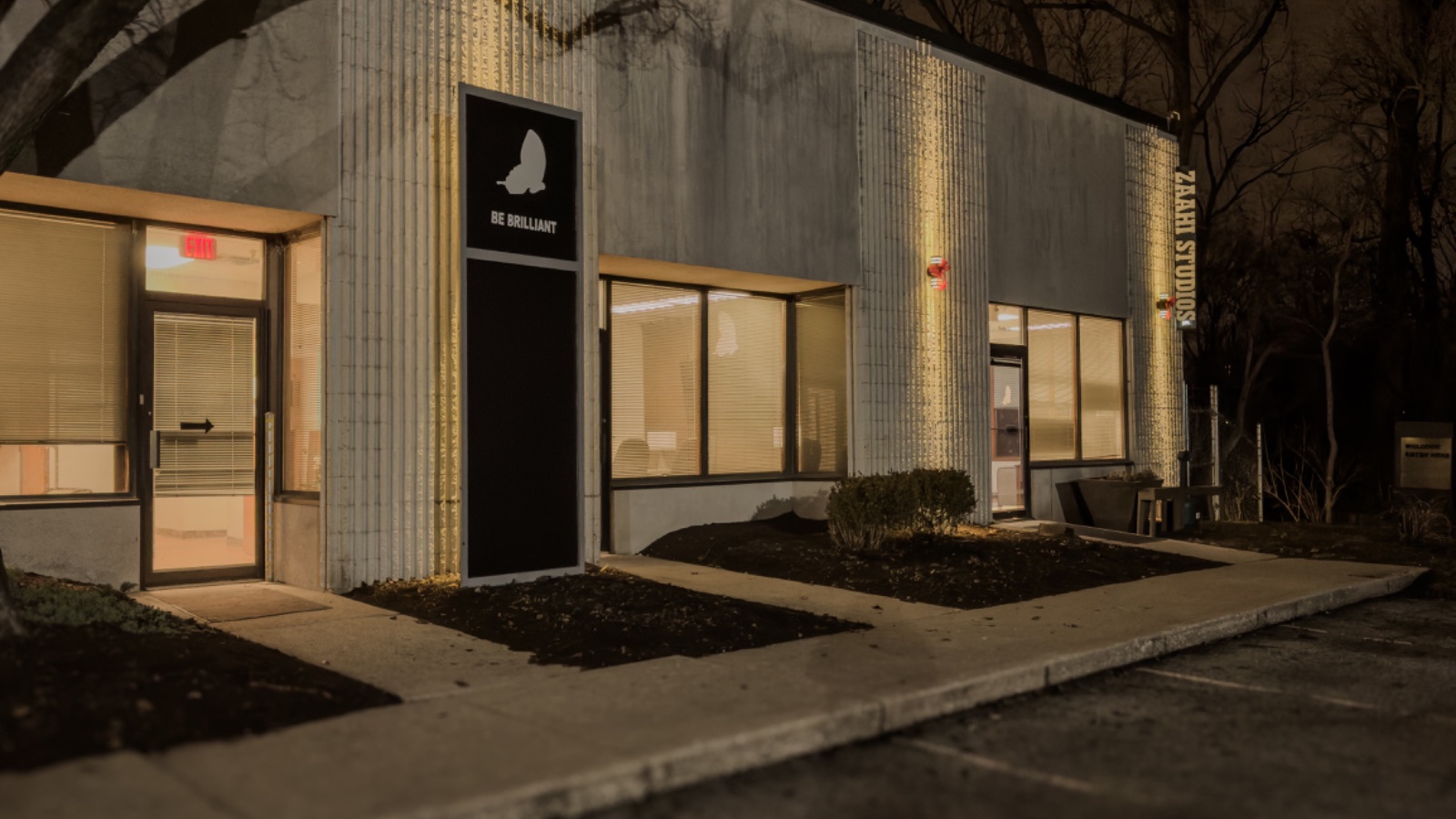
Zaahi Studios is an Indianapolis-based, vertically integrated production and marketing company serving brands, agencies, organizations and businesses.
Its Indianapolis production facility provides multiple production environments, including a large white infinity cyc studio, dedicated recording and production spaces, a kitchen production environment, and supporting areas for client and crew operations.
The company provides video production, content creation, studio rentals, post-production and digital services.
Zaahi Studios works with organizations ranging from local businesses and nonprofits to national brands and media companies. Its production portfolio includes projects associated with organizations and brands such as Hulu, The New York Times, ESPN, the NBA and IndyCar.
As the Midwest production market continues to evolve, Zaahi Studios sees opportunities for Indianapolis to serve as a practical production resource for organizations that need professional facilities, coordinated production services and scalable content capabilities.
Company disclosure: Zaahi Studios is the publisher of this article. The company's services and operations are discussed as part of its coverage of the regional production and media industry. For film, video or content production inquiries, Zaahi Studios can help bring your project to life. Visit https://www.zaahistudios.com to explore our production services, studio facilities and connect with our team to discuss your next project.
Looking ahead
Indiana's updated production incentives and the continued adoption of video marketing reflect two related developments: the importance of attracting creative production activity to the state and the increasing role of video in how organizations communicate.
For Indianapolis and the broader Midwest, the opportunity is not limited to attracting large film productions. It also includes developing the facilities, talent, technical capabilities and production infrastructure needed to support businesses and organizations producing content throughout the year.
As businesses continue to incorporate video into their marketing and communications strategies, access to professional production resources will remain an important consideration.
For the region, the next phase of growth may be defined not only by the productions that come to Indiana, but also by the creative businesses and production infrastructure already serving the organizations that operate here.
Sources & References
Indiana Department of Revenue — Film and Media Production Credit.
Film Indy — Indiana Film and Media Tax Credit and Incentives.
Wyzowl — State of Video Marketing 2026.
Bill Track 50 — https://www.billtrack50.com/billdetail/1775183
This article is intended for general industry and business information. Tax incentive eligibility and qualifying expenditures should be confirmed directly with the Indiana Economic Development Corporation.
Sources & References
- Indiana Department of Revenue. “Credits - Film and Media Production Credit”. . Government / Public Records.
- BILLTRACK50. “Indiana Senate Bill 306 – Film and Media Production Tax Credit (2025 Regular Session)”. . Government / Public Records.
- Film Indy / Visit Indy. “Incentives – Indiana Film and Media Tax Credit”. . Other.
- Wyzowl. “State of Video Marketing 2026 – Video Marketing Statistics”. . Other.
How this story was produced: AI tools assisted with research and organization. A Newsroom editor verified the facts in this article against the sources listed above before publication.
Zaahi Studios Newsroom is the editorial and industry information publication of Zaahi Production Studios. Our reporting combines publicly available information, verified sources, industry research and firsthand production experience. Editorial standards · Report a correction